A roof should shed water, not store it. When an ice dam forms, your roof becomes a bathtub with no drain, and the water will find a way inside. I have stood in entryways at midnight with towels, buckets, and homeowners who cannot believe water is dripping from a light fixture on a clear, subzero night. It feels unfair. You shoveled, you bought the right shingles, you closed the windows. Yet melting snow from higher up the roof hits a frozen ridge at the eaves and backs up under shingles. That is how winter water damage on a roof begins, quietly and out of sight, until the ceiling stains give it away.
This guide comes from years on ladders, clearing gutters in icy crosswinds and steaming roof edges in January. If you need emergency ice dam removal right now, you want the safest fix first, then a plan that prevents the next one. Both matter, and both are doable.
What actually causes the ice dam
Warm air in the home rises and leaks into the attic through gaps around light fixtures, attic hatches, bath fans, and top plates. That extra warmth heats the underside of the roof deck. Snow touching the warmed shingles melts even when the air is below freezing. Meltwater runs to the colder eave and refreezes. Over days, the ridge of ice grows. Water follows gravity until it meets that ridge, then it pools and pushes up under roofing. That is when you see damp drywall, peeling paint, and sometimes water dripping from an interior wall that has no plumbing.
People often blame gutters, and clogged gutters can make the dam look worse by giving the ice more structure, but gutters rarely cause ice dams alone. Insulation and air leakage are the root drivers. Still, frozen gutter removal and frozen downspout removal often help the whole system drain once you have released the dam on the roof.
Three weather patterns show up in the worst cases. First, a deep cold snap after a heavy snowfall. Second, a thaw that turns slushy during the day and hardens at night. Third, wind that scours higher roof areas and leaves a deeper drift near the eaves. All three stack the deck against your roof and gutters.
Assess fast, then act carefully
If water is already coming in, your first job is to protect the interior. Move furniture out from under leaks. Poke a small hole in a bulging ceiling bubble and drain it into a bucket to prevent a collapse. Turn off power to any light fixture dripping water. Once you have the inside under control, look outside.
From the ground, scan the roofline. Dark wet areas on shingles near the eave suggest a dam. Icicles the size of baseball bats hint at trapped water behind. Pay attention to valleys, dormers, and low-slope sections. Walk around the house and check downspouts and the discharge ends. If you hear ice rattling inside aluminum, you likely have a gutter ice blockage that needs service.
This is the point where people get tempted to hack at the ice. Resist it. I have seen kitchen remodels forced by a misplaced strike with a roofing hammer. Asphalt shingles and cold fingers do not forgive.
Why the safest emergency method uses steam
Ice is hard. Shingles are softer than ice, especially when below freezing. You want a method that melts ice without scouring the roof surface. That is why professional ice dam steaming remains the gold standard. A dedicated ice dam removal company will use low pressure steam ice removal, not a high pressure washer with hot water. The goal is to cut channels through the ice gently, then peel the dam off the roof layer by layer. Think scalpel, not sledgehammer.
In practice, ice dam steam removal rigs hold water above boiling and deliver steam at pressures that can slice the ice but not gouge granules off shingles. I have tested the difference on scrap shingles: high pressure hot water strips granules in seconds; the right steam tip leaves the surface intact. Done properly, roofing looks wet and clean afterward, not chewed. The steam also lets you work around flashing and gutters without crushing them, and you can clear frozen downspouts safely by opening the top and feeding steam down to release the plug.
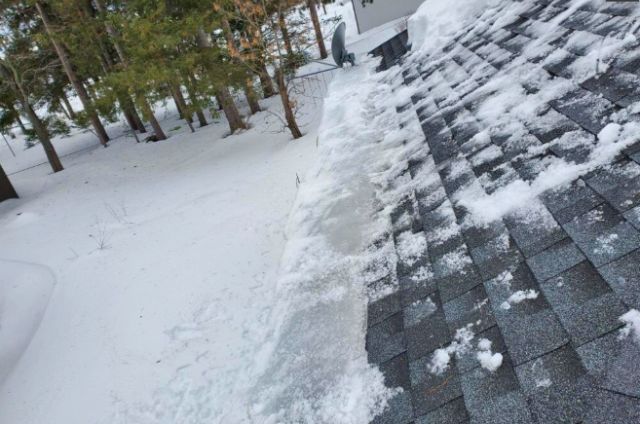
Time on site depends on how thick the dam is and the roof pitch. A modest dam along a 30 foot eave might take ninety minutes. Multi-level roofs or dams that have fused solidly with gutter helmets can run several hours. The cost tends to track time and mobilization, and in emergency conditions, crews book quickly. Ask specifically whether the provider uses low pressure steam and whether they are insured to work on roofs in winter. A reputable gutter ice removal company should be able to answer what training their techs have and how they protect landscaping from falling ice.
What you can do immediately, safely, from the ground
Not every homeowner can wait for a crew during a regional cold snap. There are a few steps you can take that help right away without risking a fall or damaging the roof.
- Create an indoor bypass for trapped water. In the attic, if you can safely enter, lay a plastic sheet or tarp over the insulation below the leak and direct water into a bucket. This buys time and limits insulation saturation. Improve venting temporarily. Crack the attic hatch or run a box fan at the hatch blowing into the attic. You are delivering cold air where heat is accumulating. It will raise your heating bill slightly, but it slows meltwater feeding the dam. Clear snow on the edge from the ground using a roof rake with a telescoping handle. Pull snow down, never across, and stop a foot or two above the eave to avoid snagging shingles. Removing 3 to 4 feet of snow near the eave cuts the meltwater supply and often shrinks the dam within a day. Warm problem spots from inside the house. In knee-wall areas behind second-floor bedrooms, temporary foam blocks or blankets along the baseboard can slow heat leaking into the roof deck. Do not place heat sources in enclosed spaces. Check and open downspout elbows if accessible. A wooden dowel can break a thin ice crust at the discharge so meltwater has somewhere to go once the roof is cleared.
That is one list. It stops here because ladders in winter are unforgiving. If you must go up, choose midday when the pavement is dry, plant the feet, and tie the ladder off. I would rather be late to a leak than early to a slip.
What not to do
Rock salt and shingles do not get along. Sodium chloride stains and can accelerate corrosion of metal valleys and gutters, and it is hell on nearby landscaping. Calcium chloride is safer for plants but still puts chlorides on metal. More importantly, tosses from the ground rarely land where they help, and pellets roll off into the yard where spring dogs and grass pay the price.
Do not chip ice with a hammer, axe, or pry bar. Every notch becomes a future leak point. Avoid pushing a roof rake across the roof surface sideways, which pulls shingle tabs. Skip hot water from a pressure washer. It strips granules and drives water where it does not belong.
Space heaters in an attic are a fire risk and will do the opposite of what you need. The dam feeds on roof warmth. You want the roof cold and uniform.
How pros tackle a live dam
On emergency calls, we start inside. If the ceiling is sagging, we relieve pressure. We document the water path with photos, both for the homeowner and for insurance if needed. We identify the fastest perimeter path outdoors, then set fall protection if the roof pitch demands it. We mark walkways and protect evergreen shrubs and entry steps. Ice that comes off in big sheets can crater brick pavers.
The steam head makes the first channel at the lower edge of the dam, usually every foot or two. We cut a drain path into the gutter or past the overhang lip, then expand each cut until the sections of ice release downward. If gutters are filled, we open them along the top like a zipper, not by prying up from below. Frozen gutter removal goes faster when downspouts can discharge, so we steam those last to avoid refreezing during the main work.
Roof and gutter ice removal is part efficiency, part patience. Good techs know to leave small, bonded patches rather than chase every crystal. The roof will purge itself once the main blockage is gone. We place ice melt socks only in valleys and only if melt is ongoing, using a chloride blend that is gentler on metal. Even then, those socks are a last resort.
If the roof leak winter repair needs temporary interior work, we help pull wet insulation at the eave. Trapped moisture there drives mold. A thin, cold-weather underlayment patch under lifted shingle tabs can serve as a short-term gasket. Permanent repairs wait until spring warmth.
Why gutters still matter, even if they did not cause it
A gutter filled with ice becomes an ice shelf. It traps heat from the house and gives the dam something to lock onto. It also pushes down on the fascia, which can open a gap that lets wind-driven snow into the soffit. That snow melts during a warm snap and leaks back out weeks later. When we perform frozen gutter removal or a gutter ice blockage service, we are not just freeing flow. We are protecting the fascia, soffit vents, and connections to the home.
If you need to remove ice from gutters between professional visits, gently rake off roof snow above the gutter first to reduce loads, then leave the gutter alone. Better to wait a day for a crew with the right steamer than to twist a section of aluminum by hand and create a permanent pitch issue. When gutters hold water after thaw, they overflow at the corners and rot the end caps. A gutter ice removal company should check pitch and hangers as part of the visit and resecure loose spikes.
Interior damage triage and when to call insurance
Stains around window heads and ceiling edges near outside walls often point to ice dam leaks. If you catch it early, you may just have discolored paint and damp insulation. Pull the trim back or cut a 2 inch inspection hole to test. If the insulation is damp over a wide area, remove it to dry the cavity. Wet cellulose clumps and loses R‑value. Fiberglass holds water like a sponge at the paper facing.
Plywood delaminates when soaked repeatedly, though one short episode rarely ruins a deck. OSB is less forgiving. If your foot finds a soft spot when walking the roof in spring, brace it and schedule a section replacement. That can be done without a full reroof if the shingles roof snow removal are not brittle. Keep receipts for emergency ice dam removal and dry out work. Insurers often cover sudden and accidental water damage from ice dams, but they may exclude the cost to fix underlying insulation and ventilation deficiencies. Your documentation matters.
A few stories, and what they teach
One January in Duluth, we got a call from a duplex where only the upstairs unit was leaking. Both sides had the same snow, same gutters, same roof. The upstairs tenant kept a sauna-like 78 degrees. The downstairs stayed at 68. The attic scuttle above the hotter unit showed frost on rafters and ice on nails. A small gap around a bath fan housing was funneling warm, moist air into the attic. After steaming the eaves and clearing the frozen downspout at the rear, we sealed the fan with a gasket and foil tape, added a 4 inch insulated duct to the exterior, and asked the tenant to keep it under 72 for a week. No more leaks that winter. Lesson: the smallest air leaks, multiplied by high interior temperatures, feed the dam.
Another case involved a metal roof over old sheathing with no vent channel. The owner assumed metal meant immunity. Metal sheds snow quickly, but when snow bridges and the lower three feet stays put, meltwater still refreezes at the eave. We installed a heat cable in a serpentine pattern along the lower edge and in the gutter, but only after testing the circuit and adding a GFCI-protected breaker. Heat cable is not a cure, but as a managed bandage it kept a stubborn north eave open through March. Lesson: metal helps, design matters, and heat cable is a tool, not a plan.
Heat cables, used wisely
Everyone has seen a sloppy zigzag of heat cable and assumed the homeowner gave up. Heat cables get a bad reputation because they are misused. On complex roofs that cannot be practically vented, or on tall buildings where frequent roof raking is unsafe, a dedicated heat cable circuit can hold a melt channel during storms. Use a quality self-regulating cable sized to the eave, install clips per manufacturer instructions, and include a thermostat that energizes the cable only when ice can form. Cables belong on the lower edge, occasionally in valleys, and in downspouts that run inside walls. They do not belong across the entire roof.
Still, if you have the choice, invest first in sealing attic air leaks with foam and mastic, deepening insulation to code levels or better, and improving soffit and ridge ventilation. Those reduce ice buildup on a roof in every winter, not just this one.
The prevention package that actually works
There is no mystery here. The roof stays colder and more uniform, snow melts slower, and meltwater has a path off the roof. That is the recipe.
Start with air sealing. Focus on the top of the building. Recessed can lights, bath fan housings, around chimneys and plumbing stacks, the attic hatch, and the top plates of interior walls all leak heat. A day with a foam gun, a roll of foil tape, and fire-rated caulk around flues changes the temperature of the roof deck more than people expect. In older homes, I have seen attic temperatures drop 10 to 15 degrees after careful sealing.
Add insulation, but not before sealing. Insulation slows heat transfer. ice removal services near me Air sealing stops it. In many climates, R‑49 to R‑60 blown-in cellulose or fiberglass batts fill the bill. Pull back the first 3 feet at the eaves and install baffles that keep soffit vents open. Then push the insulation back in, level and fluffy, not compressed.
Ventilate. A continuous soffit vent paired with a clear ridge vent works best. Box vents can help if a ridge vent is impossible. Gable vents can short-circuit ridge- and soffit-driven flow, so use them strategically. Do not mix power fans with ridge vents. Power fans can depressurize the attic and pull warm air from the home through leaks, making the problem worse. In cathedral ceilings, consider adding vent channels during a reroof using foam spacers or site-built baffles.
Control interior humidity. Winter indoor RH around 30 to 40 percent is comfortable and reduces frost on nails in the attic. Vent bath fans to the exterior, not the soffit, and run them on timers long enough to clear moisture. Kitchen range hoods should vent outdoors, not into the attic or a recirculating filter only.
Finally, mind snow loads. When a nor’easter dumps a foot overnight, plan to roof rake the first 3 to 4 feet along vulnerable sides as soon as it is safe. You are not trying to clear the roof clean, only to remove the fuel for the dam at the edge. That small habit prevents many calls for winter roof ice removal later.
Working with the right help, and what to ask
If you need an ice dam removal company on short notice, a few questions separate pros from pretenders. Ask what method they use for roof ice dam removal. The answer you want is low pressure steam ice removal with equipment built for it. Ask how they protect shingles, gutters, and landscaping. Ask how they handle frozen downspout removal, because steam down the pipe is different from banging on elbows. Ask about insurance and worker safety practices. If they talk about chisels and hammers, keep looking.
For ongoing service, look for a company that offers both emergency response and building-envelope improvements. A crew that can handle roof and gutter ice removal in a storm and then return in spring to air seal the attic, add baffles, and tune ventilation gives you continuity. Some firms will coordinate with a roofer to address roof snow and ice damage that requires shingle or flashing repairs. That flow prevents finger pointing between trades.
After the thaw, a smart inspection
Spring hides damage. Once the ice is gone and the roof is dry, walk the perimeter on a clear day. Look up at the eaves for lifted shingle tabs, missing granules, or bent drip edge. Check gutters for pitch and leaks at seams. Peer into the attic for daylight at the eaves where none should be, signs of past wetting on the sheathing, and mold that looks like pepper sprinkled on wood. If you find trouble, get it on a calendar before next winter. Small issues multiply under snow.
I like to mark stubborn dam zones with a bit of chalk paint on the fascia. Next fall, I know where to add heat cable if needed or where to add extra roof raking to the homeowner’s snow routine. Habits beat heroics.
When speed matters most
Inside a leak, speed beats perfection. Open a path for water to exit, keep people safe, protect electrical, and clear the main blockage. Ice dams rarely resolve on their own quickly enough to prevent damage, especially when day and night temperatures swing around freezing. Emergency ice dam removal with steam is the safest and fastest method I have used. It pairs well with simple homeowner steps from the ground and a plan to fix the attic stack afterward.
If you are reading this while listening to drops hit a pan on your floor, you are not alone. Thousands fight the same fight each winter, and most come through it with a dry living room and a smarter house. Get the dam off, guide the water out, and use the quiet weeks that follow to tighten up the building. By next winter, you will have a colder, happier roof and a warm, dry home beneath it.